
Beat the Winter Bills: Energy Saving Tips Every Apartment Renter Should Know

Winter utility bills can be one of the biggest financial stressors of the season, especially for apartment renters who have limited control over heating systems and building infrastructure. Between rising energy costs and colder temperatures, it is easy to feel stuck watching your monthly bills climb without knowing how to stop them.
The good news is that there are plenty of practical energy-saving tips that work in rental spaces without requiring major upgrades or landlord approval. Small, intentional changes to your daily habits can reduce energy waste and help you keep more money in your pocket all winter long.
Below are realistic and accessible energy-saving tips designed specifically for apartment renters.
Adjust your thermostat strategically
One of the most effective energy-saving tips is rethinking how you use your thermostat. Heating accounts for a significant portion of winter energy use, and even small adjustments can lead to noticeable savings.
Set your thermostat to 68 degrees when you are home and awake. When you leave for work or go to bed, lower it by 7 to 10 degrees. This simple habit can reduce heating costs by up to 10 percent annually.
If your apartment has a programmable thermostat, use it to automate temperature changes. If not, get in the habit of manually adjusting it at consistent times each day.
Seal air leaks with temporary solutions
Drafty windows and doors let cold air in and warm air out, forcing your heating system to work harder. While you cannot make permanent structural changes as a renter, there are temporary fixes that fall under essential energy-saving tips.
- Use weatherstripping tape around windows and doors
- Apply removable caulk to seal gaps
- Place draft stoppers along door bottoms
- Cover windows with plastic film insulation kits
These low-cost solutions block cold drafts without damaging walls or frames, and they can be removed when you move out.
Use window treatments to your advantage
Windows are a major source of heat loss in winter. Using your curtains and blinds strategically is one of the simplest energy-saving tips that costs nothing.
- Open curtains on south-facing windows during the day to let sunlight naturally warm your space
- Close all curtains at night to trap heat inside
- Use thermal or blackout curtains for better insulation
Even regular curtains help reduce heat loss, but thicker materials provide better results.
Be smart about laundry habits
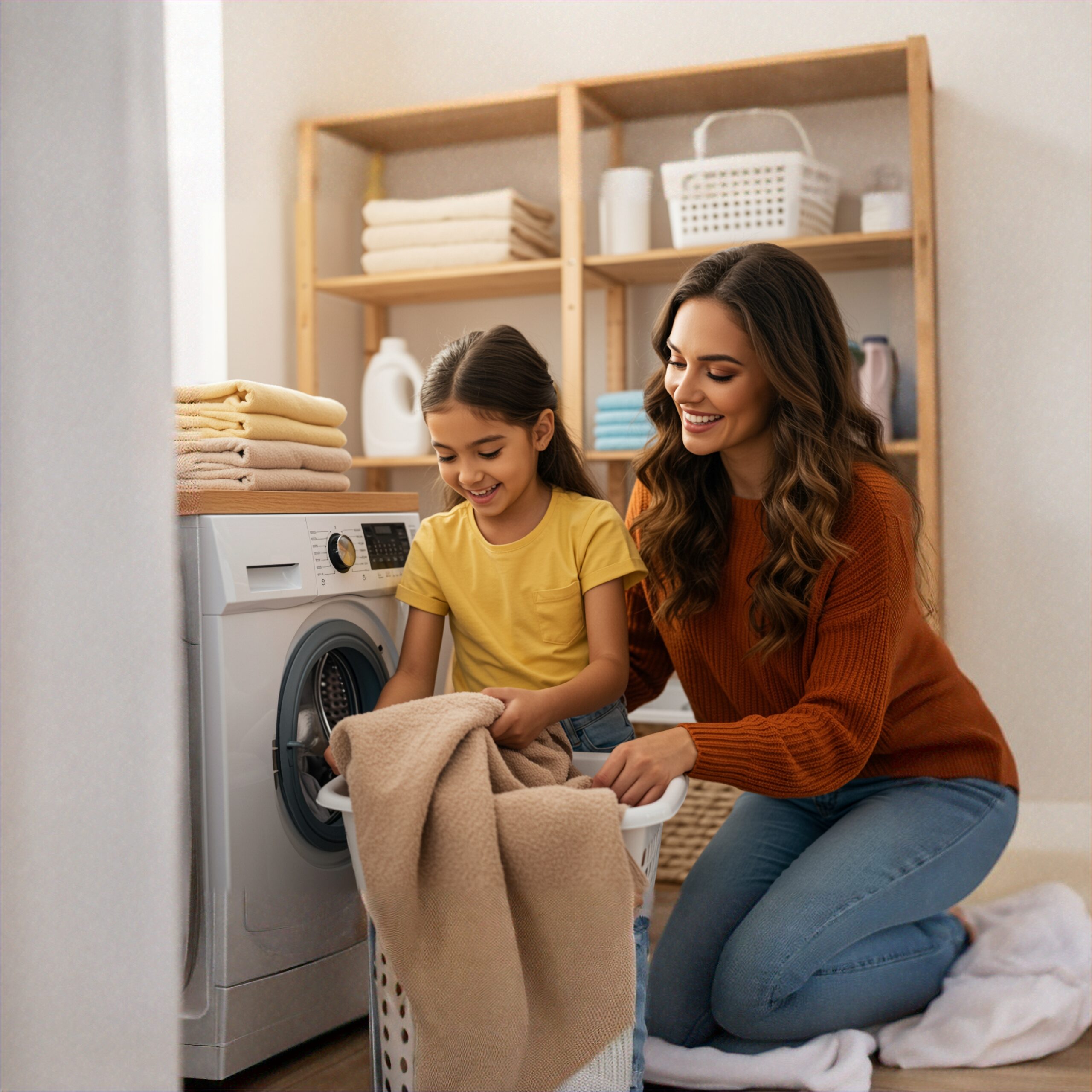
Laundry may not be the first thing you think of when considering energy-saving tips, but washers and dryers use a significant amount of energy and water. Older or poorly maintained machines work less efficiently, which drives up costs even more.
If your building’s laundry equipment needs an upgrade or you’re looking for in-unit convenience, Appliance Warehouse offers quality washer and dryer rentals with delivery, installation, and free maintenance for the duration of your lease. Having properly functioning, energy-efficient machines can make a noticeable difference in your utility costs. CSC app users can lease a washer and dryer for just $19.95 for their first month using promo code MARKETPLACE1995.
Whether you’re using shared laundry or have your own units, these habits help reduce energy waste:
- Wash clothes in cold water whenever possible
- Clean the dryer lint trap before every load
- Use the moisture sensor setting (if available)
These small adjustments can lower both energy and water costs over time.
Unplug devices when not in use
Even when electronics are turned off, they continue drawing power if they are plugged in. Unplugging unused devices is one of those energy-saving tips that takes minimal effort but delivers real results.
Consider unplugging items like phone chargers, coffee makers, toasters, and gaming consoles when you are not using them. For convenience, use power strips so you can turn off multiple devices at once.
Use space heaters carefully
If your apartment has uneven heating or one room stays colder than the rest, a space heater can help. However, using it incorrectly can actually increase your energy bill instead of lowering it. Below are some tips to keep in mind:
- Only heat the room you are currently using
- Turn off the central heat in that room while the space heater runs
- Choose energy-efficient models with automatic shut-off features
- Never leave a space heater running unattended
When used strategically, space heaters can be energy efficient, but they should only supplement your heating system, not replace it.
Cook efficiently
Winter is a great time to use your oven and stovetop to your advantage, but there are energy-saving tips that apply to cooking as well.
- Use lids on pots to retain heat and cook food faster
- Match pot size to burner size to avoid wasting energy
- Use smaller appliances like microwaves or toaster ovens when possible
Cooking efficiently saves energy while also contributing a little extra warmth to your space.
Switch to LED bulbs
If your lease allows you to change light bulbs, switching to LED bulbs is one of the easiest energy-saving tips you can implement. LED bulbs use up to 75 percent less energy than traditional incandescent bulbs and last significantly longer.
Even if you only replace the bulbs in rooms you use most often, you will see a difference in your energy bill. Plus, LED bulbs produce less heat, which is beneficial in summer months as well.
Be mindful of appliance use
Certain appliances consume more energy than others, and being mindful of when and how you use them is one of the most practical energy-saving tips for renters.
- Run dishwashers only when full
- Air-dry dishes instead of using the heated dry setting
- Avoid leaving the refrigerator door open longer than necessary
- Defrost frozen foods in the fridge instead of using the microwave
These habits require little effort but reduce unnecessary energy consumption.
Make energy-saving tips part of your routine
Lowering your winter energy bills does not require a complete lifestyle overhaul. The most effective energy-saving tips are the ones you can stick with consistently. A combination of small adjustments, from thermostat management to mindful appliance use, can lead to meaningful savings over the course of the season.
Winter will always bring colder temperatures and higher heating costs, but it does not have to drain your budget. When you build these energy-saving tips into your daily routine, you protect both your wallet and the environment.
Start with one or two changes that feel manageable right now, and let them become habits. Over time, these small actions add up to real savings that help you stay comfortable without overspending.
Appliance Warehouse
First month lease only $19.95 with promo code MARKETPLACE1995.

Walmart.com
A great selection of high-quality merchandise at every day low prices.

Batteries Plus
$10 OFF When You Schedule Your Repair Appointment Online Plus, get 50% off a new phone battery with any phone repair service.

Apartment Living: 7 Hacks to Make Laundry Day Easier
Laundry day in an apartment community doesn’t have to be…

Budgeting Tips Every Renter Should Know (That Actually Make a Difference)
Renting offers freedom and flexibility, but it also comes…

Surprising Costs That Come Up After You Move (and How to Handle Them)
You’ve packed the last box, scheduled the movers, and…

6 Apartment Essentials Every Renter Needs to Feel at Home
Whether you’re living solo, sharing a space with…