
Hidden Apartment Costs That Catch Renters Off Guard (And How to Budget for Them)

Finding a new apartment is exciting. You picture yourself unpacking boxes, arranging furniture, and enjoying your new neighborhood. But once the first month passes, many renters realize rent alone isn’t the full story. There are hidden apartment costs that can quickly throw off your budget if you don’t plan ahead.
From deposits to utilities to overlooked daily expenses, these hidden costs can pile up. The good news is that being aware of them early on helps you budget smarter, negotiate better, and avoid financial surprises from your landlord.
Stay prepared with CSC Home Assist.
Below, this blog will walk through ten of the most common hidden apartment costs renters face and share practical tips to prepare for them.
1. Security Deposits and Move-In Fees
While most renters know about security deposits, the total amount due at signing can come as a surprise. Landlords may ask for first and last month’s rent, a security deposit equal to one month’s rent, and application fees. In larger complexes, you might also see charges for elevator reservations or ‘move-in coordination.’
How to set expectations:
- Ask for a full breakdown of all fees before committing to a lease.
- Treat deposits and move-in fees as part of the overall moving budget, not separate costs you’ll ‘figure out later.’
2. Utility Bills
Utilities are one of the most underestimated apartment costs because they fluctuate month to month. Some rents include water or trash removal, but in many cases, electricity, gas, internet, and cable are your responsibility—and heating or cooling can drive seasonal spikes.
In older buildings, insulation and outdated appliances can make utilities more expensive than in newer energy-efficient units. Internet service is another cost many renters forget to factor in, and prices can vary depending on the provider and speed required.
How to set expectations:
- Compare top internet and TV providers in your area – here. Simply enter your new home address to see the best plans available.
- Ask the landlord or previous tenants about average monthly utility costs to get a clearer picture of what you’ll actually pay.
- Use energy-efficient bulbs, space heaters, and power strips to help lower costs.
3. Renter’s Insurance
Renter’s insurance is often required by landlords, but even when it’s optional, it’s smart to have. A basic policy protects your belongings from theft, fire, or water damage. Many renters assume the landlord’s insurance covers them, but that only applies to the building structure, not your personal items.
Policies typically run $15 to $30 a month. While that’s relatively affordable, it’s still an added cost that can catch renters off guard.
Stay prepared:
- With Lemonade, you can bundle renters’ insurance with car insurance to save money
- Keep an updated inventory of your belongings for easier claims.
4. Parking and Transportation
Parking costs can vary dramatically depending on where you live. In suburban complexes, outdoor parking might be free. In urban areas, however, garages, lots, or even street permits can add hundreds of dollars to your monthly costs. Street parking also brings hidden risks like tickets, towing, or added insurance premiums.
If you don’t drive, transportation expenses can still add up. Monthly metro passes, ride-share trips, or even bike storage fees can increase your cost of living.
Before signing a lease:
- Ask about all parking options and costs.
- Compare the price of parking with the cost of public transportation to see what makes more sense long-term.
5. Laundry
Laundry may seem straightforward, but managing it efficiently can make a real difference in your budget and schedule.
Ways to streamline your laundry routine:
- Do multiple loads at once.
- Invest in reusable dryer balls or buy detergent in bulk to save over time.
6. Furniture and Household Essentials
Even if you already own basics, moving to a new apartment often requires items you didn’t think about: shower curtains, trash bins, area rugs, lamps, storage solutions, or small appliances.
Find great deals for the essentials at CSC Marketplace:
7. Maintenance and Minor Repairs
While your landlord handles major issues, you’re often responsible for smaller upkeep. Replacing air filters, buying light bulbs, batteries, or unclogging drains are all costs that add up over time.
Some landlords also expect tenants to handle seasonal maintenance like clearing snow from walkways or maintaining smoke detectors. Overlooking these responsibilities can lead to fees or deductions from your security deposit.
How to prevent deposit deductions:
- Keep a small monthly ‘apartment fund’ set aside for maintenance.
- Invest in support – with Thumbtack, get $100 off any pro service.
- Stock up on basics during sales so you’re not paying full price in an emergency.
8. Amenity Fees
Modern apartments often promote luxury amenities: gyms, pools, co-working lounges, and rooftop decks. While these are nice, these features often come with monthly amenity fees, whether you use them or not.
In some cases, these fees are mandatory and added directly to your rent, while others allow you to opt in or out. The key is knowing how much you’ll actually use what you’re paying for.
How to set expectations:
- Ask whether amenity fees are optional.
- Be honest about whether you’ll truly use the gym or shared spaces before paying extra.
9. Pet Fees
Pet owners often face more than just food and vet bills. Many landlords require a pet deposit, non-refundable cleaning fees, or monthly pet rent, which can significantly increase your upfront move-in costs—especially if you have multiple pets. It’s also important to check for breed restrictions or higher fees, since some buildings charge more or don’t allow certain pets at all.
How to set expectations:
- Ask about both one-time and recurring pet costs before moving.
- Keep pets well-groomed and your apartment clean to avoid additional cleaning fees later.
10. Unexpected Moving Expenses
Finally, don’t forget the cost of moving itself. Renting a truck, hiring movers, buying packing supplies, or even taking time off work all come with a price tag. Unexpected fees can also arise on moving day, like needing a permit for street parking or discovering you need professional help to move oversized furniture.
Stay prepared:
- Look into hiring a pro to help with the move.
- Collect free boxes from local stores to cut down on packing supply costs.
Planning Ahead
The best way to handle hidden apartment costs is to expect them before they appear. By factoring in deposits, utilities, insurance, and more into your budget, you’ll be better prepared for surprises and able to start your new chapter with confidence.

Appliance Warehouse
First month lease only $19.95 with promo code MARKETPLACE1995.

TV Mounting
Local TV wall mounting pros usually safely attach televisions to walls and provide proper positioning to help ensure a better viewing experience.

House Cleaning
Hire a professional to eliminates stains, bad smells, dust, and allergens trapped in carpets.
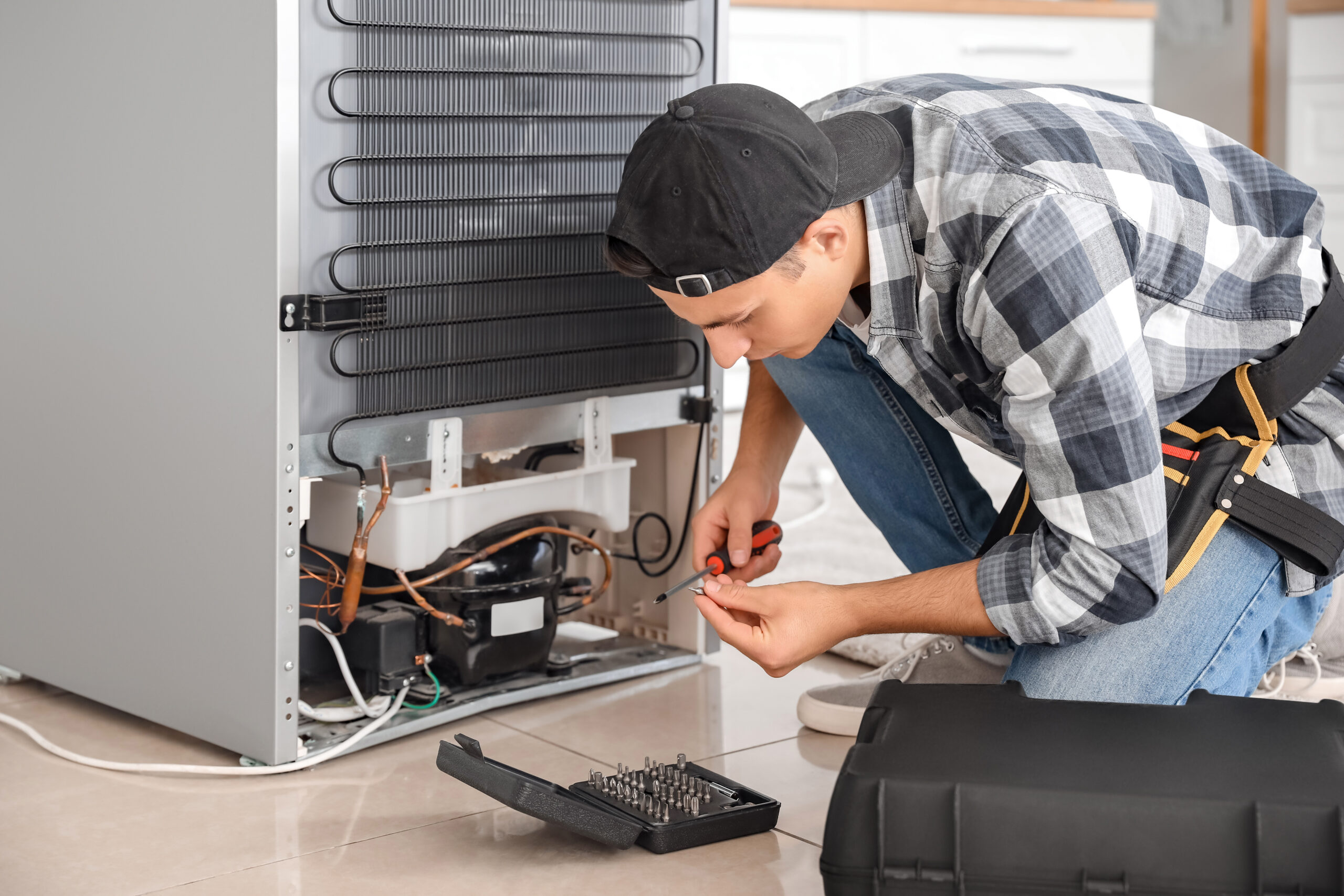
Handyman
Hire a handyman for repairs, installation, painting, and more.

Budgeting Tips Every Renter Should Know (That Actually Make a Difference)
Renting offers freedom and flexibility, but it also comes…

Checklists for moving into a new house
From our trusted partner This content was originally…

How Much Is Renters Insurance For An Apartment And Is It Really Worth It?
Why Renters Insurance Matters While it may seem like an…

How Much Rent Can I Actually Afford?
Finding the right apartment is exciting, but before signing…