Your Guide to Last Minute Holiday Shopping on a Budget

Your Guide to Last Minute Holiday Shopping on a Budget

19 December 2025 3 Min read
Dollars & Sense

Holiday shopping is meant to feel exciting, but when the holidays are right around the corner, it can quickly become stressful. Between last minute gift lists, limited time, and rising costs, staying on budget can feel challenging.

The good news is that even late in the season, holiday shopping does not have to mean overspending. A few simple strategies can help you stay in control while still giving thoughtful gifts.

Start with a holiday shopping plan

Last minute holiday shopping is easier with a plan. Take a few minutes to outline what still needs to be purchased and how much you can comfortably spend.

Start by answering:

  1. Who are you shopping for
  2. How much can you spend overall
  3. What purchases are still outstanding

Helpful tips:

  • Write down everyone on your list
  • Set a clear dollar range per person
  • Include wrapping and delivery costs
  • Keep your list accessible while shopping

Focus on thoughtful, not expensive, gifts

Holiday shopping does not have to be about spending more. Thoughtful gifts often feel more meaningful than expensive ones.

Look for gifts that:

  • Match their interests
  • Are practical and easy to enjoy right away
  • Feel personal without being complicated

Keeping your focus on intention helps prevent overspending.

Set boundaries around impulse spending

Impulse purchases are one of the biggest budget breakers during holiday shopping, especially when time is limited.

To stay on track:

  • Pause before buying items not on your list
  • Avoid shopping when rushed or distracted
  • Keep a simple running total of spending

Use flexible payment options thoughtfully

For larger or last minute purchases, flexible payment options can help manage cash flow during the holidays.

With Perpay, eligible users can unlock up to a $1,000 spending limit instantly, making it easier to shop top brands when you need them most.

For some shoppers, this can make holiday shopping more manageable when budgets are tight. As always, choose options that fit comfortably within your overall financial plan.

Remember what matters most

Holiday shopping is just one part of the season. Shared moments, traditions, and time together often matter more than the price of a gift.

If your budget feels stretched:

  • Set spending limits with family or friends
  • Suggest gift exchanges or simple shared experiences
  • Choose handwritten notes or small treats

Make holiday shopping work for you

Whether you planned ahead or are shopping at the last minute, staying intentional helps. With a clear plan and mindful choices, holiday shopping can stay within budget and still feel good, even as the season winds down.

Winter Road Trip Essentials for Safe and Stress-Free Holiday Travel

Winter Road Trip Essentials for Safe and Stress-Free Holiday Travel

19 December 2025 3 Min read
Life Hacks

Winter road trips can be some of the most memorable parts of the holiday season. At the same time, winter weather, shorter days, and busy travel schedules can introduce extra stress if you are not prepared.

That is why planning and packing the right road trip essentials matter so much. With a few thoughtful preparations, you can protect your safety, reduce unexpected disruptions, and focus on enjoying the trip instead of worrying about what could go wrong.

Below are some practical winter road trip essentials to help you travel with confidence and peace of mind this holiday season.

Car essentials

One of the most important road trip essentials starts before you ever leave your driveway. Cold temperatures can affect your car in ways that may not show up during warmer months.

Before a winter road trip, take time to check the following:

  • Tire tread depth and air pressure
  • Battery health, especially if it is more than a few years old
  • Headlights, brake lights, and turn signals
  • Windshield wiper condition and washer fluid rated for freezing temperatures

Top off antifreeze and oil as needed. Clear visibility and reliable performance are critical road trip essentials when driving in winter conditions.

Emergency supplies you should always carry

Even with careful planning, winter weather can be unpredictable. That is why emergency supplies are important road trip essentials for cold-weather travel.

Consider keeping these things in your car:

Having these road trip essentials on hand can help you stay calm and prepared if you encounter snow, ice, or unexpected delays.

Navigation and planning essentials for winter travel

Winter road trips require more planning than summer drives. Shorter daylight hours and changing weather conditions can affect timing and routes.

Make sure your navigation road trip essentials are ready:

  • GPS apps with real-time traffic and weather updates
  • Offline maps downloaded in case of poor signal
  • Alternate routes planned ahead of time

Building extra time into your schedule is another important road trip essential. Driving cautiously and allowing for delays can reduce stress and support safer decisions on the road.

Roadside assistance as a winter safety net

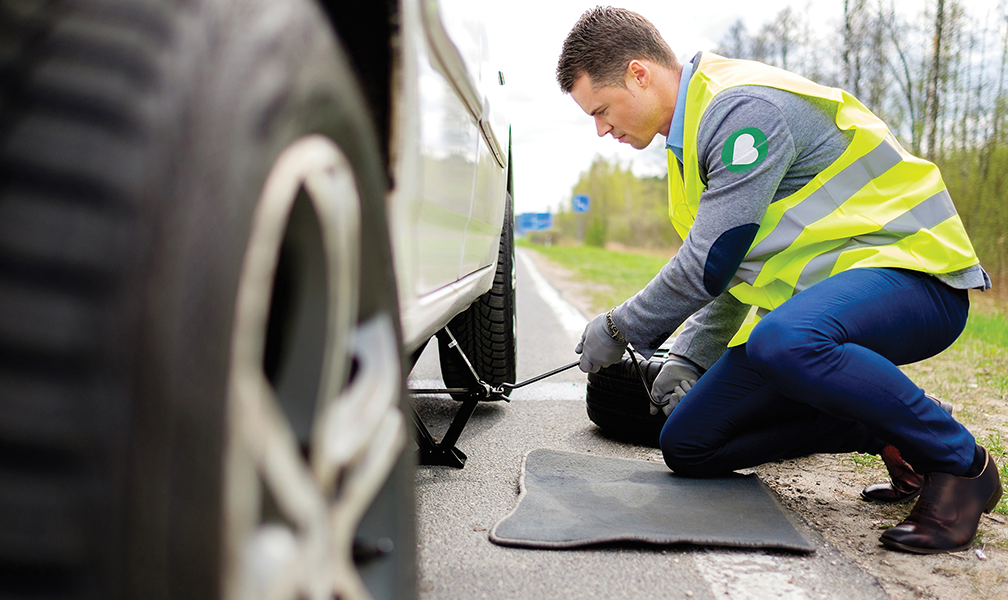
Even with preparation, breakdowns and flat tires can still happen in cold weather. That is why roadside assistance remains one of the most valuable road trip essentials.

Better World Club, a roadside assistance provider known for its environmentally responsible approach. CSC app users can get 15% off when they join Better World Club by using the discount code CSC15 at checkout. Having coverage in place means help is available during the unexpected, adding an extra layer of peace of mind during the busy holiday season.

Make road trip essentials part of your holiday routine

Preparing your road trip essentials does not have to feel overwhelming. Just like the small, consistent habits highlighted in our blog about managing holiday stress, simple preparation can go a long way in supporting peace of mind throughout the season.

A well-prepared winter road trip allows you to focus on what really matters. Arriving safely, staying present, and enjoying time with the people and places you care about most. With the right road trip essentials in place, holiday travel can feel less stressful and more enjoyable.

Relaxing Activities to Help You Unwind During the Busy Holiday Season

Relaxing Activities to Help You Unwind During the Busy Holiday Season

3 December 2025 5 Min read
Life Hacks

The holidays can be one of the best times of the year, but they can also feel nonstop. Between travel plans, end-of-year deadlines, family gatherings, gift lists, and everyday responsibilities, it is easy to get overwhelmed. That is why making space for relaxing activities matters so much. A few intentional moments of rest can help you recharge, stay present, and actually enjoy the season instead of just pushing through it.

The good news is that relaxing activities do not have to be complicated or time-consuming. Small, realistic choices can make a big difference in how you feel day to day. Below are simple, accessible ideas to help you unwind during the busy holiday season.

Create a cozy corner for quick breaks

When life gets busy, it helps to have a small space that signals rest. You do not need a big home makeover. One of the easiest relaxing activities is creating a cozy corner that is there whenever you need a quick break.

Choose a chair, a spot on the couch, or even one side of your bed. Add a blanket, a pillow, or a soft light. Keep a few comforting items nearby, like a journal, a candle, or your favorite tea.

Even if you only step into your cozy corner for ten minutes, it creates a boundary between stress and rest. Over time, it becomes a built-in way to unwind.

Take a walk with no agenda

Walking is a classic stress reliever because it gets your body moving without requiring much effort. During the holidays, a simple walk can be one of the most grounding, relaxing activities you can choose.

  • Walk around your neighborhood and notice seasonal changes
  • Look at holiday lights, winter trees, or the early sunset
  • Leave your phone in your pocket so the walk stays restful
  • Treat it as a break, not another errand

To make this feel more like a reset, choose a route you enjoy. The point is not distance. The point is giving your mind space to breathe.

Try stretching or yoga

You do not need a full workout to feel better. In fact, during a packed season, gentle movement can support rest more than intensity. Stretching is one of those relaxing activities that can bring immediate relief, especially when stress shows up in your neck, shoulders, and lower back.

Roll your shoulders, stretch your hips, and loosen your spine. If you enjoy yoga, try a slow flow or restorative practice. Many free videos offer sessions designed specifically for relaxation.

If you are new to yoga, start with a few simple poses; the focus is not on perfect form, but to let your body relax.

Make an evening wind-down routine

Holiday nights can be as busy as holiday days. Between wrapping gifts, cleaning up after gatherings, or finishing last-minute tasks, bedtime can feel rushed. A wind-down routine is one of the most consistent relaxing activities you can use to protect your rest.

  • Dim the lights an hour before bed
  • Take a warm shower or bath
  • Change into comfortable clothes early
  • Drink tea while you unwind

Even if your routine is short, the repetition helps your brain shift into rest mode. It becomes a signal that you are ready to slow down.

Give yourself a screen-free break

Phones and social media help stay connected during the holidays, but they also keep your mind busy. Taking a screen-free break is a low-effort way to add more relaxing activities to your week.

Pick a time of day when you can step away from screens, even if it is just for fifteen minutes. Use that time to do something tactile and quiet. You might fold laundry, organize a small drawer, water plants, or sit outside. These small tasks can be soothing because they keep your hands busy without overstimulating your mind.

Watch or listen to something comforting

Not all entertainment is relaxing, especially when it is fast-paced or loud. This is one of those relaxing activities that feel like a treat while still helping you recharge.

  • Rewatch a favorite movie or comfort show
  • Put on a podcast while you cook
  • Build a holiday playlist

Ask for help when you need it

Sometimes the most relaxing activity is letting someone else take something off your plate. Holiday stress often builds when you feel responsible for everything. If there are tasks you can delegate, consider doing it.

This could mean asking a family member to handle part of the cooking, splitting errands with a friend, or hiring help for a home project you have been putting off. Access to trusted partners like Thumbtack can help you find pros for home cleaning, organizing, handyman work, and more. CSC app users can get a $100 rebate when they hire a pro through Thumbtack.

Keep relaxing activities simple and consistent

You do not need a perfect plan to unwind. The most effective relaxing activities are the ones you can do consistently. A quiet coffee, a short walk, a stretch, or a screen-free pause can all help you relax.

The holiday season will always be full. But it does not have to be draining. When you build in moments of rest, you protect your energy and your joy. Start with one or two relaxing activities that feel realistic right now, and let them be your steady anchor through the season.

If you keep coming back to small ways to unwind, you will likely notice that the holidays feel less like a sprint and more like something you can actually enjoy.

Winter Tire Pressure: Tips to Keep Your Tires in Check

Winter Tire Pressure: Tips to Keep Your Tires in Check

29 October 2025 4 Min read
Life Hacks

When temperatures start to drop, most of us think about warming up the car or brushing snow off the windshield, but we often forget one small detail that can make a big difference: tire pressure. Cold weather has a major impact on your tires, and if you ignore it, you could be setting yourself up for poor traction, uneven wear, and even costly repairs down the line.

The good news is that keeping your winter tire pressure in check is simple. A few quick habits can help your car stay safe, fuel-efficient, and ready for whatever winter throws your way.

Why Tire Pressure Drops in Winter

When the air gets colder, tire pressure naturally drops. For every ten-degree decrease in temperature, you can lose about one PSI of air pressure. So if there’s a sudden cold snap overnight, you might wake up to tires that are flatter than they were the day before.

Low tire pressure makes your tires flex more than they should. That extra movement creates heat and resistance, which wears them down faster and lowers your fuel efficiency. Over time, it can even lead to blowouts or alignment problems.

Checking your tire pressure every couple of weeks is one of the easiest ways to stay ahead of these issues. It takes just a few minutes but can save you money and stress later on.

Why You Shouldn’t Ignore The Low Tire Pressure Light

Driving with low tire pressure doesn’t just affect your gas mileage. It affects your safety too. When tires aren’t inflated properly, your car has less grip on snowy and icy roads, making it harder to stop or steer. You might also notice your car feels sluggish or drifts a little while driving.

Most modern cars have a Tire Pressure Monitoring System, or TPMS, that alerts you when your tires are too low. But here’s the thing: by the time that light turns on, your tires are already below the ideal pressure. Regular manual checks help you stay one step ahead so you can make small adjustments before it becomes a bigger issue.

How to Check and Maintain Tire Pressure

The best part about maintaining your tire pressure is that it’s quick and easy. Here’s how to do it right:

  1. Check pressure when the tires are cold. The best time to check your tire pressure is in the morning, before you start driving. Once you’re on the road, the air inside your tires expands and gives a less accurate reading.
  2. Know your recommended PSI. You can find this number on a sticker inside your driver-side door or in your owner’s manual.
  3. Use a quality gauge. Digital tire gauges are small, affordable, and easy to use.
  4. Add air slowly. Stop to recheck often so you don’t overfill. Most gas stations have free or low-cost air pumps available.
  5. Inspect your tires regularly. Take a quick look at the tread and sidewalls while you’re at it. If something looks off, like cracks or uneven wear, it’s worth having a professional take a look.
  6. Know where to fill up nearby. When you’re running low on tire pressure, it helps to know where your closest gas stations are especially during cold mornings. Many 7-Eleven locations have convenient air machines available, so you can easily top off your tires while grabbing a coffee or snack on the go.

Making these checks part of your winter routine helps your tires perform better, saves you gas money, and gives you peace of mind on every drive.

Simple Ways to Protect Your Tires All Winter Long

Cold temperatures can make rubber stiffer and more brittle, so your tires need a little extra care during winter. A few smart habits can go a long way:

  • Rotate your tires every few months to help them wear evenly.
  • Avoid overinflating your tires.
  • Replace worn tires before the first snowstorm. Bald or thin tread makes it harder to grip slick roads.

If you’re ever unsure about your tire pressure or tread condition, stop by a local tire shop for a quick inspection. It’s a small step that can make a big difference for your safety.

Stay Prepared During the Winter

Tire pressure might not be something you think about every day, but in winter, it’s one of the most important things to monitor.

Stay safe, drive smart, and keep your tire pressure in check. You’ll save money, protect your tires, and get more reliable performance all season long.

How to Do Laundry by Fabric Type: Your Guide to Not Shrinking, Fading, or Fraying

How to Do Laundry by Fabric Type: Your Guide to Not Shrinking, Fading, or Fraying

29 October 2025 4 Min read
Rinse Cycle

Doing laundry seems simple enough: sort, wash, dry, repeat. But not all clothes are created the same way. Every fabric has its own unique needs, and when washed incorrectly, even a favorite T-shirt or soft sweater can emerge looking dull, stretched, or shrunken. Learning how to do laundry by fabric type will help you keep your clothes in better shape for longer, saving you money and frustration.

Just like caring for your home, a thoughtful laundry routine helps preserve what you love and makes everyday life a little easier.

Cotton

Cotton is one of the easiest fabrics to wash, but it’s also prone to shrinking if the water is too hot. For best results, wash cotton clothing in cold or warm water on a regular cycle. Always check the care label first since cotton blends can vary in strength and softness.

Drying is where most people go wrong. Cotton fibers tend to tighten under high heat, so tumble dry on a low setting or hang to air-dry when possible. If wrinkles bother you, remove clothes while slightly damp and smooth them out before hanging.

Laundry tips for cotton:

  • Turn graphic tees and printed items inside out before washing to preserve the design
  • Wash towels and heavier cotton items separately to avoid excess friction
  • Use a fabric softener to keep cotton feeling soft


Denim

If you want your jeans to stay dark and perfectly fitted, learning how to do laundry for denim is key. Always wash jeans inside out in cold water to help preserve color. Skip the dryer entirely since high heat fades dye and weakens fibers.

To keep denim looking new:

  • Air-dry flat or hang to maintain shape
  • Spot clean between washes
  • Wash denim less often to extend its life


Delicates

Silk, lace, and satin fabrics require a more gentle approach. These materials are sensitive to temperature, so use your machine’s delicate cycle with cold water and a mesh laundry bag. A small step like this can prevent snags and stretching.

Choose a gentle detergent designed for delicates and avoid wringing items after washing. Instead, lay them flat on a towel to dry.

Many residents like the convenience of dependable laundry solutions through partners like Appliance Warehouse, which handles installation and maintenance so you can focus on caring for your clothes, not the machines. CSC users can even get their first month for only $19.95 with promo code MARKETPLACE1995.


Wool and Cashmere

Wool and cashmere are natural fibers that can easily shrink. The safest way to clean them is by hand washing in cold water with a wool-safe detergent. Gently squeeze out excess water instead of twisting or wringing the clothes out.

Lay them flat to dry and reshape while they are damp. Hanging wet wool can stretch the shape out, so folding is the best option once dry.

Quick reminders for wool care:

  • Use a mesh bag if machine washing on gentle
  • Avoid heat or direct sunlight when drying


Synthetics

Polyester, nylon, and spandex are durable, but they still need care to look their best. Wash synthetics in cold or warm water on a gentle cycle, and use only a small amount of detergent to prevent buildup.

Simple ways to protect synthetics:

  • Avoid fabric softener, which can coat fibers and reduce stretch
  • Tumble dry on low heat or air-dry to maintain elasticity
  • Wash activewear separately to keep it fresh and odor-free


Bedding and Towels

When learning how to do laundry for bedding and towels, space and balance matter. You should avoid overloading your washer so items can move freely and rinse thoroughly.

Use warm water and a color-safe bleach for bedding. For towels, add a small amount of vinegar to keep them fluffy and absorbent.

Laundry tips for larger loads:

  • Wash towels separately from clothes to avoid lint transfer
  • Shake out sheets and comforters before drying to prevent clumping
  • Use dryer balls to cut drying time and reduce wrinkles


Everyday Efficiency Tips

You don’t have to be an expert to protect your clothes. A few simple habits can help you save time, money, and energy while keeping your clothes in the best shape.

Try these easy upgrades:

  • Sort by light and dark color clothing
  • Wash in cold water to save energy and reduce shrinking
  • Clean your washer and dryer regularly to keep cycles running efficiently


Laundry Done Right

Mastering how to do laundry by fabric type isn’t about perfection; it’s about prevention. When you treat each material with the care it needs, you protect your clothes from shrinking, fading, and fraying. With the right techniques and reliable laundry equipment, your favorite pieces will stay fresh and last longer.

Home Hacks and Money-Saving Tips for Renters

Home Hacks and Money-Saving Tips for Renters

29 October 2025 5 Min read
Dollars & Sense

Living on your own comes with freedom and flexibility, but it also means managing a budget that can feel tight at times. From utilities to decor, small decisions can add up to big savings. The good news is that there are plenty of creative ways to save without sacrificing comfort or style. These saving money tips will help renters stretch their budgets, keep homes cozy, and enjoy more of what they love.

1. Make the Most of Natural Light

One of the easiest money-saving tips is to rely on natural light whenever possible. Opening blinds during the day not only brightens your space but also helps lower your energy bill. At night, use LED bulbs, which last longer and consume less electricity than standard bulbs.

If your apartment gets limited sunlight, try using mirrors to reflect light throughout the room. They can make your home feel bigger and more inviting without adding extra lamps or fixtures.

2. Get Smart with Thermostat Settings

Temperature control plays a huge role in monthly expenses. If you can, use a programmable or smart thermostat to keep heating and cooling efficient. Adjusting just a few degrees when you’re away can make a noticeable difference.

You can also improve insulation with affordable updates, such as:

  • Weatherstripping around doors and windows
  • Curtains to keep heat in during winter and out during summer
  • Using a fan to circulate air before turning on the AC

These small investments can reduce your utility bills throughout the year while keeping your space comfortable.

3. Cut Laundry Costs with Simple Habits

Laundry might be unavoidable, but high costs don’t have to be. Try washing with cold water whenever possible and wait until you have a full load to save both water and energy.

Here are a few simple ways to stretch your laundry budget:

  • Clean the lint trap regularly to help your dryer work more efficiently
  • Use dryer balls instead of single-use sheets
  • Air-dry lightweight items like shirts and linens when possible

By being intentional with laundry habits, you’ll save on both utilities and detergent costs over time.

4. DIY Decor and Upcycled Furniture

You can make your apartment feel like home without overspending. Thrift stores, resale apps, and neighborhood markets are full of affordable pieces that can be refreshed with a coat of paint or new hardware.

For renters who want to refresh their look sustainably, CORT Furniture Rental offers options without the waste or high cost. Simple DIY projects like adding peel-and-stick wallpaper, hanging floating shelves, or framing inexpensive prints can elevate your space for less.

5. Be Strategic with Subscriptions and Services

It’s easy to forget about small recurring charges that quietly add up each month. Take a few minutes to review your subscriptions, like streaming, fitness apps, and delivery services, and cancel the ones you rarely use.

Consider these ideas to save even more:

  • Split subscriptions with friends or roommates
  • Opt for annual plans instead of monthly ones to reduce overall costs
  • Take advantage of student or loyalty discounts if available

These small adjustments can easily save hundreds over the course of a year.

6. Build a Simple Apartment Fund

Unexpected expenses are part of renting, but they don’t have to throw your budget off track. Setting aside even a small monthly amount can create a cushion for things like replacing a broken appliance.

Accidents happen, but they don’t have to mess up your budget. CSC customers get access to Latchel, which offers up to $2,700 in reimbursements and credits to cover unexpected fees or damages from your landlord. 

Building a small apartment fund and taking advantage of benefits like Latchel are some of the best tips for saving money, avoiding financial stress, and staying prepared for whatever comes your way.

7. Save on Everyday Essentials

Household items like cleaning products, toiletries, and pantry staples are easy to overspend on. Look for bulk options, off-brand alternatives, or reusable items that cut long-term costs.

To make the most of your shopping trips:

  • Stock up on non-perishables during sales
  • Use store apps or rewards programs for instant savings
  • Buy refills instead of single-use containers

Small changes in your shopping routine can lead to meaningful savings each month.

8. Embrace Energy Efficiency

Energy efficiency is one of the most impactful ways to save money for renters. Turning off lights when leaving a room and unplugging electronics not in use can help lower your utility bills.

If your building allows, adding smart plugs or power strips can also help cut energy from hidden electricity costs that come from devices left plugged in all day.

9. Organize to Maximize Your Space

When space is limited, clutter can make a small apartment feel even smaller. Investing in storage solutions like under-bed bins or over-the-door racks helps keep your home tidy and efficient.

A well-organized home can also prevent waste. When you can see what you own, you’re less likely to buy duplicates or lose items in storage.

10. Take Advantage of Apartment Amenities

Many apartment communities include amenities that can help you save in ways you might not expect. If you have access to a gym at your property, you can cancel a gym membership. A community lounge might be the perfect place to host friends instead of spending money on an event space.

The key is to make use of what’s already included in your rent. That’s one of the easiest money-saving tips renters often overlook.

Live Smarter, Spend Less

Saving money as a renter isn’t just about cutting costs; it’s about being intentional with how you live. With a few adjustments and creative strategies, you can reduce expenses, stay organized, and enjoy your space even more.

Hidden Apartment Costs That Catch Renters Off Guard (And How to Budget for Them)

Hidden Apartment Costs That Catch Renters Off Guard (And How to Budget for Them)

8 October 2025 6 Min read
Renting Right

Finding a new apartment is exciting. You picture yourself unpacking boxes, arranging furniture, and enjoying your new neighborhood. But once the first month passes, many renters realize rent alone isn’t the full story. There are hidden apartment costs that can quickly throw off your budget if you don’t plan ahead.

From deposits to utilities to overlooked daily expenses, these hidden costs can pile up. The good news is that being aware of them early on helps you budget smarter, negotiate better, and avoid financial surprises from your landlord.

Stay prepared with CSC Home Assist.

Below, this blog will walk through ten of the most common hidden apartment costs renters face and share practical tips to prepare for them.

1. Security Deposits and Move-In Fees

While most renters know about security deposits, the total amount due at signing can come as a surprise. Landlords may ask for first and last month’s rent, a security deposit equal to one month’s rent, and application fees. In larger complexes, you might also see charges for elevator reservations or ‘move-in coordination.’

How to set expectations:

  • Ask for a full breakdown of all fees before committing to a lease.
  • Treat deposits and move-in fees as part of the overall moving budget, not separate costs you’ll ‘figure out later.’

2. Utility Bills

Utilities are one of the most underestimated apartment costs because they fluctuate month to month. Some rents include water or trash removal, but in many cases, electricity, gas, internet, and cable are your responsibility—and heating or cooling can drive seasonal spikes.

In older buildings, insulation and outdated appliances can make utilities more expensive than in newer energy-efficient units. Internet service is another cost many renters forget to factor in, and prices can vary depending on the provider and speed required.

How to set expectations:

  • Compare top internet and TV providers in your area – here. Simply enter your new home address to see the best plans available.
  • Ask the landlord or previous tenants about average monthly utility costs to get a clearer picture of what you’ll actually pay.
  • Use energy-efficient bulbs, space heaters, and power strips to help lower costs.

3. Renter’s Insurance

Renter’s insurance is often required by landlords, but even when it’s optional, it’s smart to have. A basic policy protects your belongings from theft, fire, or water damage. Many renters assume the landlord’s insurance covers them, but that only applies to the building structure, not your personal items.

Policies typically run $15 to $30 a month. While that’s relatively affordable, it’s still an added cost that can catch renters off guard.

Stay prepared:

  • With Lemonade, you can bundle renters’ insurance with car insurance to save money
  • Keep an updated inventory of your belongings for easier claims.

4. Parking and Transportation

Parking costs can vary dramatically depending on where you live. In suburban complexes, outdoor parking might be free. In urban areas, however, garages, lots, or even street permits can add hundreds of dollars to your monthly costs. Street parking also brings hidden risks like tickets, towing, or added insurance premiums.

If you don’t drive, transportation expenses can still add up. Monthly metro passes, ride-share trips, or even bike storage fees can increase your cost of living.

Before signing a lease:

  • Ask about all parking options and costs.
  • Compare the price of parking with the cost of public transportation to see what makes more sense long-term.

5. Laundry

Laundry may seem straightforward, but managing it efficiently can make a real difference in your budget and schedule.

Ways to streamline your laundry routine:

  • Do multiple loads at once.
  • Invest in reusable dryer balls or buy detergent in bulk to save over time.

6. Furniture and Household Essentials

Even if you already own basics, moving to a new apartment often requires items you didn’t think about: shower curtains, trash bins, area rugs, lamps, storage solutions, or small appliances.

Find great deals for the essentials at CSC Marketplace:

7. Maintenance and Minor Repairs

While your landlord handles major issues, you’re often responsible for smaller upkeep. Replacing air filters, buying light bulbs, batteries, or unclogging drains are all costs that add up over time.

Some landlords also expect tenants to handle seasonal maintenance like clearing snow from walkways or maintaining smoke detectors. Overlooking these responsibilities can lead to fees or deductions from your security deposit.

How to prevent deposit deductions:

8. Amenity Fees

Modern apartments often promote luxury amenities: gyms, pools, co-working lounges, and rooftop decks. While these are nice, these features often come with monthly amenity fees, whether you use them or not.

In some cases, these fees are mandatory and added directly to your rent, while others allow you to opt in or out. The key is knowing how much you’ll actually use what you’re paying for.

How to set expectations:

  • Ask whether amenity fees are optional.
  • Be honest about whether you’ll truly use the gym or shared spaces before paying extra.

9. Pet Fees

Pet owners often face more than just food and vet bills. Many landlords require a pet deposit, non-refundable cleaning fees, or monthly pet rent, which can significantly increase your upfront move-in costs—especially if you have multiple pets. It’s also important to check for breed restrictions or higher fees, since some buildings charge more or don’t allow certain pets at all.

How to set expectations:

  • Ask about both one-time and recurring pet costs before moving.
  • Keep pets well-groomed and your apartment clean to avoid additional cleaning fees later.

10. Unexpected Moving Expenses

Finally, don’t forget the cost of moving itself. Renting a truck, hiring movers, buying packing supplies, or even taking time off work all come with a price tag. Unexpected fees can also arise on moving day, like needing a permit for street parking or discovering you need professional help to move oversized furniture.

Stay prepared:

  • Look into hiring a pro to help with the move.
  • Collect free boxes from local stores to cut down on packing supply costs.

Planning Ahead

The best way to handle hidden apartment costs is to expect them before they appear. By factoring in deposits, utilities, insurance, and more into your budget, you’ll be better prepared for surprises and able to start your new chapter with confidence.

How Much Rent Can I Actually Afford?

How Much Rent Can I Actually Afford?

8 October 2025 4 Min read
Renting Right

Finding the right apartment is exciting, but before signing a lease, there is one important question you need to ask yourself: how much rent can I afford? Rent will likely be the single largest monthly expense in your budget, and getting it right can mean the difference between feeling financially comfortable or stretched too thin.

This guide walks you through simple, practical ways to calculate what you can afford and how to balance rent with your other financial priorities.

The 30 Percent Rule

A long-standing guideline says you should spend no more than 30 percent of your gross monthly income on rent. If you earn $4,000 a month before taxes, that means your rent should be around $1,200. While this is a good starting point, it is not a perfect fit for everyone.

The 30 percent rule does not take into account your unique expenses, like student loans, car payments, car insurance, or childcare. If you are juggling those costs, you may need to spend less on rent to keep your budget in balance.

The 50/30/20 Budget Method

Another approach is the 50/30/20 budget, which divides your income into three categories:

  • 50% for needs like rent, utilities, and groceries
  • 30% for wants such as dining out or entertainment
  • 20% for savings

With this method, rent becomes just one part of your ‘needs’ category, giving you a clearer picture of what you can afford while still leaving room for long-term goals like saving.

Factor in Additional Living Costs

Rent is only part of the picture. You will also need to budget for:

  • Utilities, including electricity, water, internet, and gas
  • Renter’s insurance
  • Transportation, such as gas, public transit, or parking fees
  • Groceries and essentials

A common mistake is focusing only on the base rent. Once these additional costs are factored in, the “affordable” apartment may not feel as budget-friendly as it first seemed. For example, renters’ insurance is one of those small but important expenses. With Lemonade Renters Insurance, you can get coverage starting at just $5 a month. It is a simple way to protect your belongings and add extra peace of mind without straining your budget.

Decide What Comfort Means to You

Numbers matter, but lifestyle is equally important. Some renters may opt for a smaller apartment close to work if it saves on commuting costs. Others might prefer paying a little more for extra space or proximity to amenities.

Think about your daily routines and what you value most. Asking yourself ‘how much rent can I afford’ is as much about peace of mind and lifestyle as it is about hard numbers.

Avoid the Rent Stretch

Many renters are tempted to stretch for a place that is slightly outside their budget, assuming they can make it work. While this might feel manageable at first, over time it can limit your ability to save, travel, or cover unexpected expenses. Choosing a rent that leaves breathing room ensures you can enjoy your home without sacrificing financial security.

A Quick Formula for Your Rent Budget

Here is a simple way to calculate your maximum rent:

  1. Add up your monthly take-home pay
  2. Subtract non-negotiable expenses such as loans or childcare
  3. Use what is left to determine what 25 to 30 percent looks like for rent

If that number feels tight, you may need to aim lower to protect your financial flexibility.

Creating Balance in Your Budget

Budgeting for rent should feel empowering, not limiting. A well-planned rent budget gives you the stability to cover your essentials while still leaving room for the things that make life enjoyable. When you take the time to understand how much rent you can afford, you are not just paying for a place to live. You are creating financial space to decorate, save for the future, and enjoy peace of mind in your home.

Apartment Living: 7 Hacks to Make Laundry Day Easier

Apartment Living: 7 Hacks to Make Laundry Day Easier

7 October 2025 3 Min read
Rinse Cycle

Laundry day in an apartment community doesn’t have to be complicated. With shared machines, limited space, and busy schedules, it helps to have a plan. The good news is that a few simple strategies can make your laundry routine smoother and more efficient. Whether you’re washing for one or managing loads for the whole family, these apartment laundry tips help you get through laundry day faster and easier.

1. Plan Ahead

A smart schedule makes your laundry routine smoother and more convenient.

  • Plan laundry around your building’s quieter hours—typically mornings, mid-afternoons on weekdays, or later in the evening after dinner
  • Use your building’s laundry app (if available) to check machine availability
  • Set reminders to avoid forgetting your load

2. Sort Before You Go

Get a head start by separating loads before you head to the machines.

  • Keep separate hampers for whites, darks, and delicates
  • Use mesh bags for things like socks to prevent losing items
  • Pre-treat stains before heading down to the laundry room

3. Create a Laundry Day Kit

Keep detergent, stain remover, and other essentials handy for a simpler wash.

4. Maximize Dryer Efficiency

Dryers can fill up fast in apartment buildings, so use each cycle efficiently.

  • Shake out clothes before placing them inside to prevent wrinkles
  • Use wool dryer balls or a dry towel to speed up drying time
  • Remove lightweight items halfway through to free up space

5. Fold and Organize Right Away

Folding as soon as the dryer finishes saves time later and prevents wrinkling.

  • Use folding tables in the laundry room if available
  • Bring a clean mat or surface cover if folding space is limited
  • Organize loads by room or family member to simplify putting clothes away

6. Respect Shared Spaces

Good laundry room etiquette makes the process smoother for everyone.

  • Set a timer so you don’t leave loads sitting in machines
  • Wipe up spills from detergent or softener right away
  • Avoid leaving clothes unattended for long periods

7. Turn Laundry into a Simple Habit

Smaller loads are much easier to manage than tackling everything at once.

  • Aim for one or two loads midweek instead of saving everything for Sunday
  • Stick to a routine

We’re Here to Help Create a Better Laundry Experience

Laundry day doesn’t have to be a hassle. With these practical apartment tips, you can save time, stay organized, and make the process easier.

CSC Marketplace is here to help you find solutions that make your home experience easier, more comfortable, and better suited to your lifestyle.

Scary Season, Smart Savings: How to Avoid Halloween Surprises With CSC Marketplace

Scary Season, Smart Savings: How to Avoid Halloween Surprises With CSC Marketplace

19 September 2025 3 Min read
Life Hacks

Halloween is here—cobwebs on the porch, creepy decorations in the yard, jack‑o‑lanterns glowing bright. It’s the season of thrills, treats, and frights. But while we all enjoy a little spooky fun, no one wants to be haunted by real‑life scares like surprise repair bills, pet mishaps, or unexpected landlord fees. That’s where CSC Marketplace comes in—helping you protect your home, your pets, and your wallet with deals that are anything but scary.

Post‑Party Repair & Cleanup

Throwing a Halloween bash? Once the last trick‑or‑treater leaves and the party ends, the real fright might be what’s left behind—stains, broken fixtures, or just a whole lot of cleanup.

That’s where Thumbtack can help. Whether you need a handyman, cleaner, or painter, you’ll find the right pro for the job—and CSC customers get $100 off their first Thumbtack project. No more staring at that mysterious red punch stain by flashlight.

When Things Go Bump in the Night: Insurance to the Rescue

Between candles in pumpkins, excited pets, and costume chaos, Halloween can bring unexpected accidents. Don’t let these frights turn into financial nightmares:

  • Lemonade Renters Insurance helps protect your belongings from fire, theft, and other spooky surprises—starting at just $5/month.
  • Lemonade Pet Insurance has you covered if your furry friend gets spooked by the doorbell or costumes, keeping scary vet bills at bay.

Peace of mind is sweeter than any candy bar.

Avoiding Nightmare Landlord Fees & Lockouts

Loose wires, damaged walls, or missing keys—sometimes things happen that lead to scary landlord charges. But with Home Assist by Latchel, renters can get up to $2,700 in reimbursements for surprise landlord fees, lockouts, and more. Even better—your first month is free.

When things go bump in the night, at least your wallet won’t feel the shock.

Other Creeptastic Deals Worth a Peek

  • Cort: Need to rent furniture for your Halloween gathering—or give your space a stylish seasonal upgrade? Cort has flexible rental options that are a treat.
  • Appliance Warehouse: Haunted washer? Creepy dryer noises? Upgrade your appliances without the scary price tag.
  • Internet & TV: Planning a move this season? We make the process smoother, helping you set up utilities and change your address with ease.
  • Perpay: Looking to spread out payments for big buys this fall? Perpay lets you shop now and pay over time—no tricks, just treats.
  • Lemonade Auto: From pumpkin patch trips to costume store runs, keep your car protected with Lemonade Auto’s modern coverage.

No Tricks, Just Treats

Halloween is the perfect time for spooky fun—but when it comes to your home, pets, and budget, peace of mind should never be scary. With CSC Marketplace, you can unlock exclusive partner deals and head into the holiday season prepared for whatever surprises come your way.

🎃 Check out CSC Marketplace today and explore all the hauntingly good deals waiting for you!